
Maximizing Cost Efficiency: The Concept of “Bangs for the Buck“
Have you ever heard of the term “bangs for the buck?” First used during World War II, it refers to the effectiveness of a particular investment relative to its cost. This simple concept applies to various industries, from the military (where it originated) to the adult entertainment industry, and everything in between.
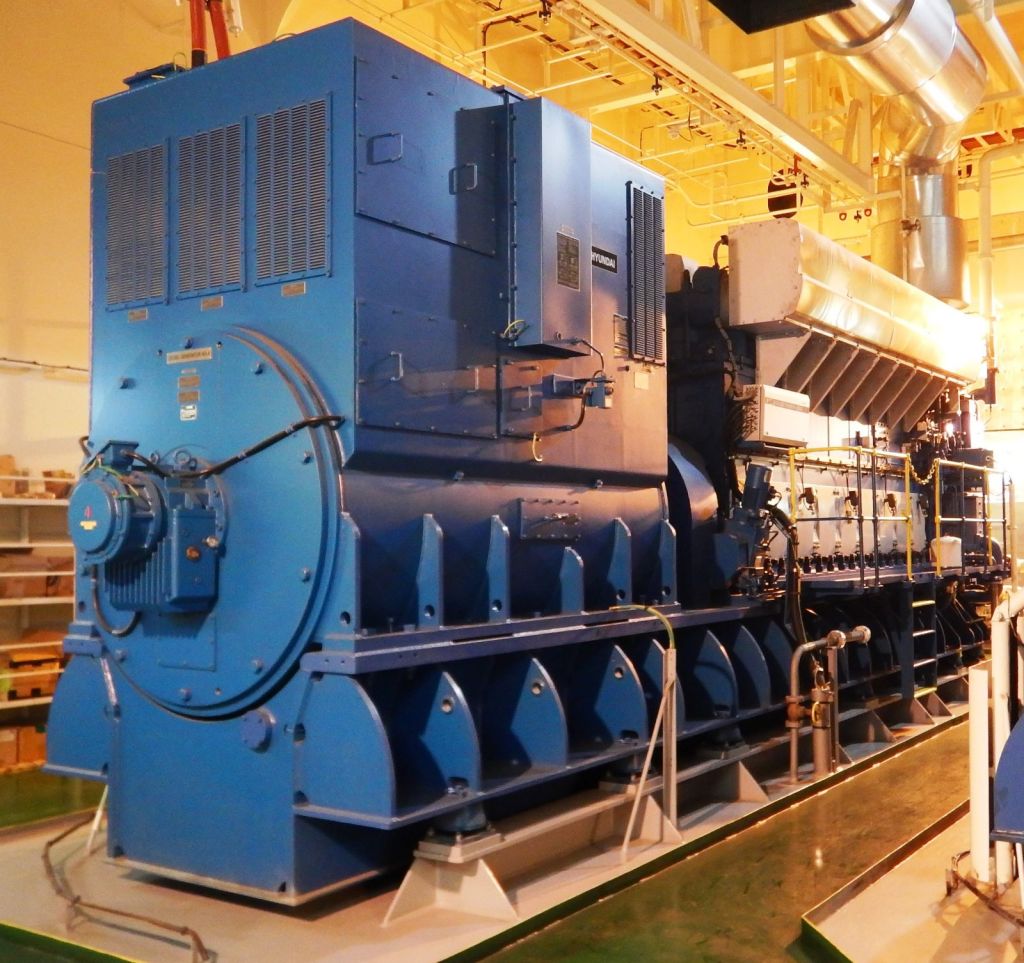
Selecting the best diesel generator or any equipment on a vessel is often a subjective matter, and opinions can vary among different individuals within the fleet, including the director and superintendent. Concrete evidence to support their choices may be hard to come by, and shore staff may make decisions based on successful voyages and past experiences. Unfortunately, most companies have not set up their Planned Maintenance Systems (PMS) to facilitate easy analysis, which makes it difficult to evaluate the reliability and cost-effectiveness of the equipment they operate.
This lack of reliable data often leads to decisions being based on opinions and costs, which is problematic. As a result, choosing the next new generator is challenging, and the data available is often shaky at best.
Assessing the performance of generators and other machinery already in use poses a significant challenge. Maintenance and repair histories in planned maintenance systems (PMS) are often described in unstructured text, making data analysis difficult. Additionally, record-keeping on vessels is often inadequate, making it a daunting task to filter through the histories to obtain insights into engine performance. The analysis of cost efficiency is a time-consuming process, which even well-known consultancy firms struggle with. This is mainly due to a lack of attention to detail when maintaining comprehensive records, resulting in non-existent or sparse documentation.”
When it comes to evaluating an engine’s cost efficiency and reliability, surprisingly simple techniques can yield maximum results. For me, “bang for the buck” is the go-to approach, which I have used countless times over the years. By filtering out irrelevant PMS data using common tools like Excel, I can determine the true cost of running all gensets for one budget year, excluding fuel costs, and divide it by the total running hours of all gensets. This straightforward calculation reveals the precise cost of running each machine for one hour, providing a clear picture of its efficiency. This approach is derived from the economic practice of “revenue per employee” or “sales per employee,” which are proven and effective tools for analyzing productivity and profitability.
To achieve rapid and accurate results, optimizing the PMS system is crucial. This can be done by implementing predefined drop-down lists, improving account code definitions, and establishing an accurate inventory control system with easy identification of parts used for repairs and breakdowns. Additionally, incorporating the Eisenhower risk matrix can significantly reduce the time required to generate worklists and prioritize tasks. This approach not only ensures timely completion of work but also enables the generation of minimal worklists, including dry dock jobs.
By making these changes, the overall process can be streamlined and optimized for maximum efficiency and accuracy.
If you’re interested in learning more about maximizing cost efficiency, please don’t hesitate to get in touch.
We may surprise you with some cost-effective ideas that don’t cost a fortune to implement.


 Mercantile Marine Trading